Nations Roof - Navigation

Repair, Restore or Replace Your Commercial Roof?

Repair when damage is localized and the roof is relatively young. Restore when the membrane is aging but intact and the insulation is dry. Replace when the roof has reached the end of its service life, the insulation is compromised or repairs are frequent. An inspection with a moisture survey shows which one fits.

Request a Free Inspection
4 quick questions, recommendation on screen
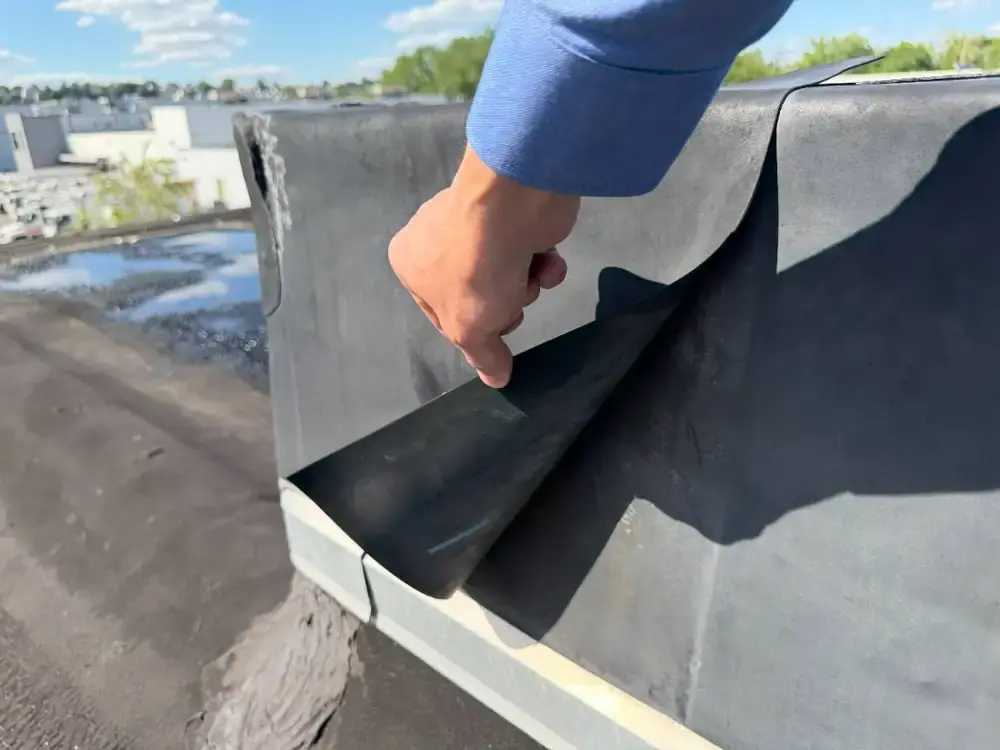
Membrane seam lifting open at the edge
RepairDamage is localized
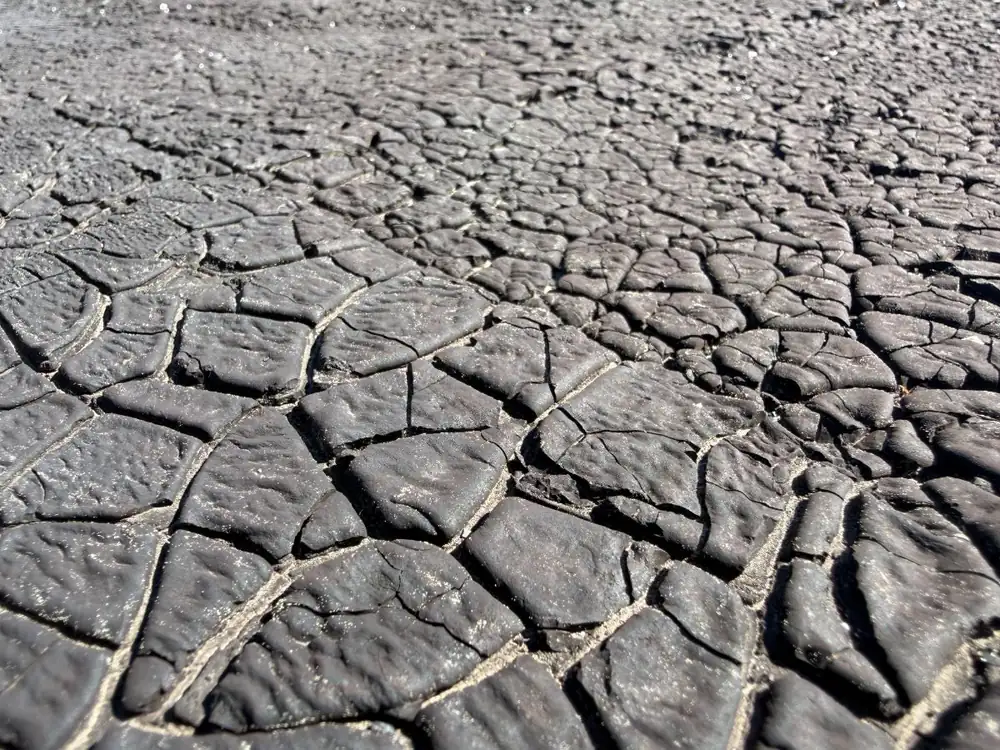
Weathered, alligatored roof surface
RestoreAging but intact
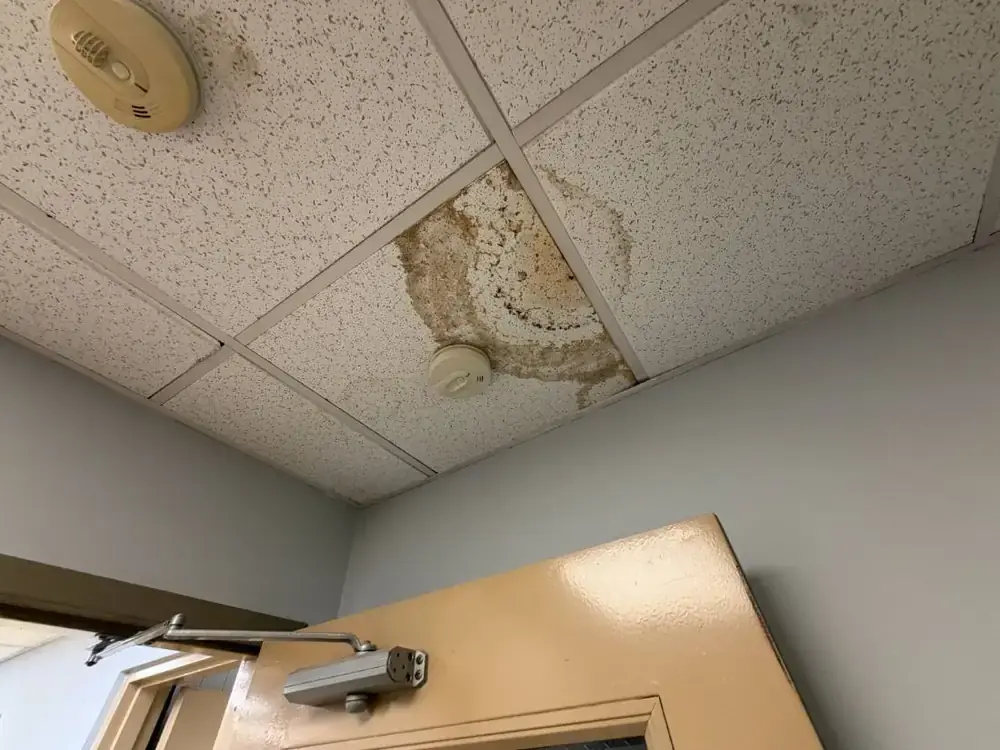
Water-stained ceiling tile below a failing roof
ReplaceInsulation compromised
Your options

Repair, Restore or Replace: What Each Means

An existing commercial roof has three paths. The age of the roof, the condition of the membrane and insulation, and how often it leaks decide which one fits.

Repair

Fix the problem areas

Repairs address specific problem areas and restore the performance of the existing system.

Best when: damage is localized, the roof is relatively young and leaks are isolated

Service lifeKeeps the roof in service
Relative cost
Roof repair services
Restore

Extend the roof you have

Restoration solutions such as protective coatings can help extend the service life of an existing roof.

Best when: the membrane is aging but intact, the insulation is dry and leaks are limited

Service lifeTypically adds 5 to 15 years
Relative cost
Roof coating services
Replace

Start a new service life

A new roofing system designed to meet current building performance needs. When conditions allow, it can go over the existing roof as a recover (reroof).

Best when: the roof has reached the end of its service life, the insulation is compromised or repairs are frequent

Service lifeTypically 15 to 50+ years, by system
Relative cost
Roof replacement services
Decision table

Which Path Fits Your Roof?

Start with your roof's condition: its age, the state of the membrane and insulation, and how often it leaks. When the signs point to two paths, the insulation decides. Dry insulation keeps repair and restoration on the table, and compromised insulation means replacement.

Commercial roof repair, restore or replace decision table
Membrane conditionRoof ageInsulationLeaks and repairsRecommended path
Localized damage, such as a leak, a damaged flashing or an open seamRelatively youngDryIsolatedRepair
Membrane is aging but intactMiddle to late in its lifeDryLimitedRestore
Roofing system has reached the end of its service lifeAt or past its expected lifeCompromisedFrequentReplace

Not sure which row is your roof?

Answer a few quick questions and get a recommended path on screen.

What decides it

Six Questions That Decide the Path

Moisture, layer count and remaining service life settle most decisions. Warranty needs, budget timing and how much disruption the building can handle settle the rest.

  1. Is the insulation wet?

    The single biggest factor. Wet insulation can not be coated over or covered, so widespread moisture points to replacement.

  2. How many roof layers are there?

    Building codes typically allow no more than two roof coverings. A roof that already has two must be torn off.

  3. What condition is the surface in?

    A worn but watertight surface can be restored. Splits, open seams and blisters across the roof point further along.

  4. How much service life is left?

    A roof early in its life usually justifies repair. One at or past its expected life rarely does.

  5. What warranty do you need?

    A full manufacturer system warranty comes with replacement. Restoration coatings carry their own coverage.

  6. Buy time or invest now?

    Restoration buys time on a sound roof. On a roof at the end of its life, replacement usually has the lowest long-term cost.

The inspection

What an Inspection Tells You

You can't see wet insulation from the surface, which is why a roof that looks fine can still need replacing. A free inspection with a moisture survey answers the question in three steps.

  1. Step 1

    Walk the roof

    A crew checks the membrane, flashing and penetrations, drainage, rooftop equipment areas and signs of water infiltration, and documents every issue.

  2. Step 2

    Measure the moisture

    An infrared moisture survey finds trapped moisture and wet insulation without destructive testing. Core cuts confirm how many layers are on the building.

  3. Step 3

    Get a written recommendation

    You receive the findings, the recommended path and the options side by side, so the decision is yours.

Free, no obligation

Find out what your roof actually needs

Local crews from 40+ branch locations inspect roofs nationwide and recommend repair first whenever it is the right call.

Request a Free Inspection
Cost and lifecycle

Cost and Lifecycle: Buy Time or Invest Now?

Repair and restoration cost the least up front and buy time on a sound roof. Replacement costs the most but resets the roof's service life and warranty, and on a roof at the end of its life it usually has the lowest long-term cost.

What moves the price
Roof size and access
Amount of wet insulation
Tear-off and disposal
Rooftop units and penetrations
Warranty level
Phasing around operations
Relative cost, disruption and service life by path
PathRelative costDisruptionService life
Repair$Keeps the roof in service
Restore$ to $$5 to 15 more years
Replace$$ to $$$$15 to 50+ years, by system

Restoring a roof that should be replaced costs more in the end. A coating over wet insulation traps the moisture, and the roof usually needs replacing soon after anyway.

We don't publish price ranges because size, access, moisture and warranty needs vary with every roof. An inspection includes the options side by side so you can compare them.

Repair, restore or replace

Find out which path fits your roof

Start with a few quick questions online. Then confirm it on the roof with a free inspection.

or Request a Free Inspection

Nationwide Service


40+ Branch Locations

100+ Certified Roofing Crews

30,000+ Projects Nationwide

View Locations
 
USA map

Repair, Restore or Replace FAQs

Can a commercial roof be restored instead of replaced?

Often, yes. If the deck is sound and the insulation is dry, a restoration coating can extend the roof's life without a full tear-off. A moisture survey during an inspection confirms whether restoration is an option.

How do I know if my commercial roof needs to be replaced?

A roof that has reached the end of its service life, compromised insulation and frequent repairs all point to replacement. A roof that already has two layers also has to be torn off before a new one goes on.

What is the difference between reroofing and a tear-off replacement?

Both are ways to replace a roof. Reroofing, also called a recover, installs a new membrane over the existing roof without a tear-off. A tear-off removes the roof down to the deck and installs a complete new system. A recover is only possible when the deck is sound and there is one existing roof layer.

How many years does a roof restoration add?

A restoration coating typically adds 5 to 15 years, depending on the coating system, its thickness and the condition of the roof underneath. Many coatings can be renewed again later if the roof stays sound.

How many roof layers are allowed on a commercial building?

Building codes typically allow no more than two roof coverings. Local codes vary, so an inspection confirms what is allowed on your building.

Is restoring a roof cheaper than replacing it?

Up front, yes. Restoration avoids tear-off and disposal. Over the long term, replacement usually costs less on a roof at the end of its life, because restoring a roof with wet insulation only delays the replacement.

Does repairing my roof affect the warranty?

It can. Manufacturer warranties usually require repairs by a certified contractor and documented maintenance. Unauthorized repairs are one of the most common reasons a warranty is voided.

Need Commercial
Roofing Help?

Get in Touch
Awards & Recognitions