
What is a National Roofing Contractor?
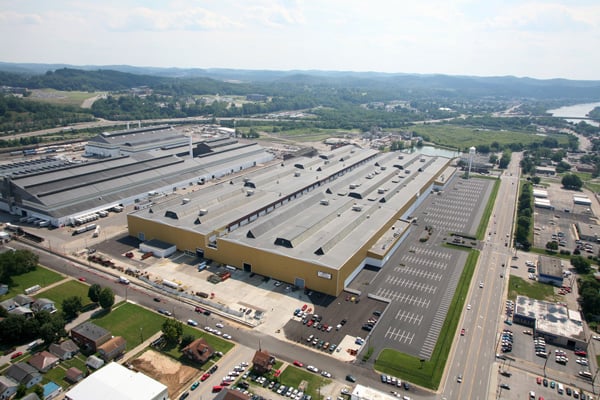
A national commercial roofing contractor provides services across multiple regions using standardized processes, centralized coordination, and local service teams.
These providers are designed to support:
-
- Multi-site portfolios
- Enterprise-level clients
- Consistent service across locations
What is a Local Roofing Contractor?
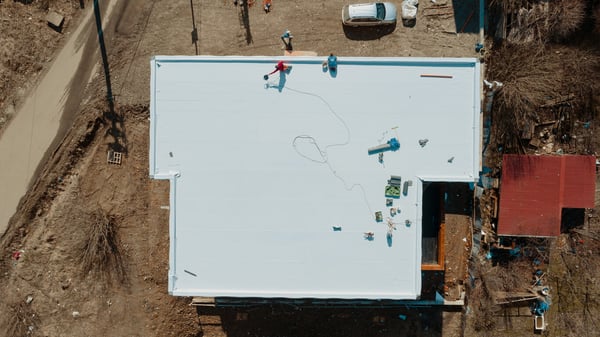
A local roofing contractor operates within a specific geographic area, typically serving single-site or regional clients.
They are often best suited for:
- Individual buildings
- Smaller portfolios
- Projects requiring highly localized relationships

Safety performance is a critical factor in commercial roofing, especially for occupied buildings and regulated environments.
National providers often maintain:
- Standardized safety training programs
- Measurable safety metrics (such as EMR ratings)
- Consistent compliance across all job sites
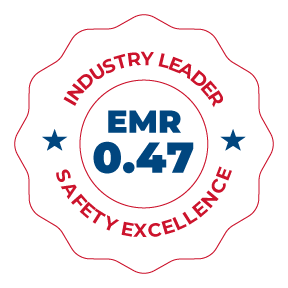
For example, Nations Roof maintains an industry-leading EMR of 0.47, reflecting a strong safety culture focused on planning, training, and execution.
Local contractors may also prioritize safety, but standards and reporting can vary between companies.

Warranty compliance is essential to protect your investment.
National contractors:
- Use manufacturer-certified crews
- Follow consistent installation and repair standards
- Maintain documentation across all locations
Local contractors:
- May be certified, but consistency can vary
- Documentation and processes are often less standardized
Improper repairs or installations can void warranties, making contractor selection critical.

Emergency response is one of the most important differentiators.
National Model:
- 24/7/365 centralized dispatch
- Ability to mobilize crews across regions
- Scalable response during large storm events
Local Model:
- Fast response in local area
- Limited capacity during widespread events
For multi-site organizations, national coordination often provides greater reliability during peak demand.

One of the biggest misconceptions is that national providers are not local.
In reality, the strongest national models combine:
- Local service teams
- Regional expertise
- Centralized coordination
This allows for:
- Faster response times
- Consistent quality
- Simplified communication across locations
Nations Roof provides consistent quality, accountability, and national coverage for complex roofing programs.
Proven Safety & Compliance

Proficient in Major Facility Portals
Experienced across the platforms national teams rely on every day.

Certified by All Manufacturers
Approved to install, service, and warranty all major roofing systems.

Familiarity with FM Global Approvals
Experience meeting FM Global standards for insured properties.
Proven Safety & Compliance