
By Nations Roof on Aug 6, 2026, 8:57:56 AM
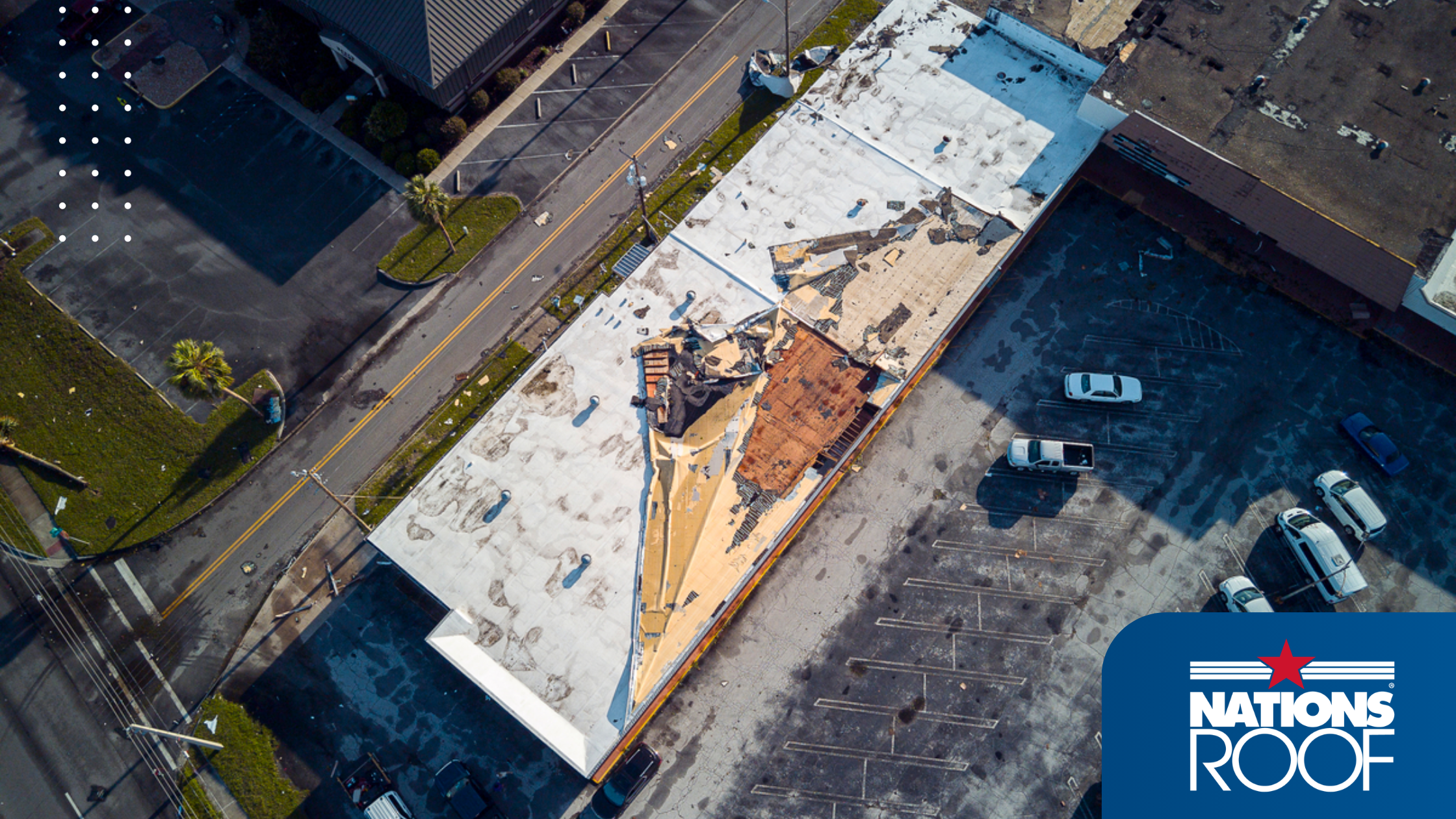
WHAT YOUR ROOF IS TELLING YOU BEFORE BUDGET SEASON
Summer heat, storms, and aging roof systems often reveal issues that impact next year's budget. Understanding what you're seeing now can help avoid surprises later.
Summer Heat and Storm Season Reveal More Than You Think
For many commercial roofs, summer is when underlying problems begin to surface.
Months of extreme temperatures, UV exposure, severe storms, and heavy rainfall place additional stress on roofing systems. Materials expand and contract daily, flashings begin to separate, seams can weaken, and drainage issues become more apparent. While these changes may seem minor at first, they often provide the earliest warning signs of larger problems developing below the surface.
Unfortunately, many organizations don't recognize those warning signs until water intrusion impacts operations. A stained ceiling tile, damaged inventory, or an emergency leak call is often the first indication that a roofing issue has been growing for months.
That's why late summer and early fall represent an important opportunity. The conditions your roof experiences during the hottest months of the year can provide valuable insight into its overall health and help shape smarter decisions before budget season begins.
Heat Accelerates Aging
Constant exposure to high temperatures and UV radiation causes roofing materials to age over time. Membranes can become brittle, sealants may deteriorate, and flashing details are placed under repeated stress as temperatures fluctuate throughout the day. These conditions can shorten service life and increase the likelihood of leaks if issues are left unaddressed.
Storms Expose Vulnerabilities
Heavy rain and severe weather don't necessarily create problems—they often reveal existing ones. Areas that were already weakened by age, foot traffic, or deferred maintenance are frequently the first to fail during summer storms. Ponding water, open seams, clogged drains, and damaged flashing can quickly turn into emergency repairs when severe weather arrives.
Small Issues Can Become Budget Problems
One of the biggest mistakes property teams make is assuming a roof is performing well simply because there are no active leaks. In reality, many roofs continue functioning while hidden moisture, deteriorating details, and aging materials quietly reduce performance.
Addressing these conditions early provides more options. In some cases, targeted repairs or restoration can extend the life of the system and delay capital replacement. Waiting until failures become widespread often limits those options and leads to larger, more disruptive expenses.
Use What Summer Reveals to Plan Ahead
As organizations begin planning for the coming year, understanding the current condition of the roof can help eliminate surprises and improve budget predictability. A professional assessment can identify developing issues, prioritize repairs, and provide the information needed to make confident decisions about maintenance, restoration, or replacement.
The goal isn't simply to react to problems. It's to use the insights your roof is providing today to make better decisions tomorrow.
Because when budget season arrives, the best time to address roofing concerns is before they become emergencies.
Planning Next Year's Budget?
Five Questions Every Facility Team Should Answer First
Before finalizing your maintenance and capital budgets, take a moment to evaluate the current condition of your roof. Answering these questions now can help prioritize projects, avoid unexpected expenses, and make more informed decisions for the year ahead.
✔ Is my roof still under warranty?
-
Knowing your warranty status can influence repair options and help protect future coverage.
✔ Has the roof required more repairs this year?
-
Increasing repair frequency may indicate it's time to consider restoration or replacement.
✔ Are there signs of aging that should be addressed now?
-
Open seams, flashing deterioration, ponding water, and membrane wear rarely improve on their own.
✔ Could restoration extend the life of the roof?
-
Many systems don't require full replacement. Restoration may provide additional years of service at a lower cost when conditions are right.
✔ What should I realistically budget for next year?
-
A professional roof assessment provides the information needed to prioritize repairs, forecast capital projects, and avoid emergency spending.
The earlier you understand your roof's condition, the more options you'll have—and the more predictable your budget can become.
Repair, Restore, or Replace?
Not every roofing issue requires a full replacement.
Understanding the difference can help maximize the life of your asset while improving budget predictability.
Best for isolated issues such as:
- Minor punctures
- Flashing damage
- Small leak areas
- Drainage obstructions

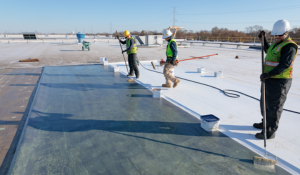
Best for roofs that are aging but structurally sound:
- Extend roof life
- Reduce disruption
- Improve energy performance
- Lower overall costs compared to replacement
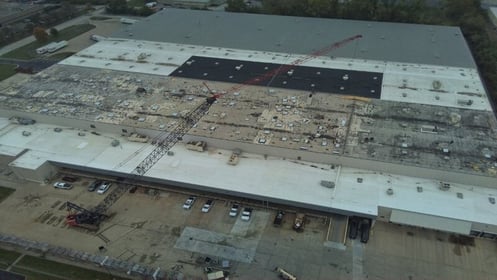
Best when:
- Multiple systems are failing
- Moisture intrusion is widespread
- Repairs are becoming frequent
- Long-term lifecycle costs outweigh short-term repairs
The right answer depends on the age, condition, and goals for your facility.
To learn more, check out our blog post here: Restoration vs. Reroof vs. Repair
Use our Roof Decision Tool to get an instant recommendation.
Four Warning Signs Facility Teams Shouldn't Ignore
Addressing these conditions early often means smaller repairs and fewer disruptions.
Commercial Roofing Systems Guide
 Choosing the right roofing system affects more than installation costs.
Factors such as energy performance, maintenance requirements, foot traffic, disruption, and expected lifespan all impact long-term value.
Download our Complete Guide to Commercial Roofing Systems to compare major systems and understand what works best for your facility.
Customer Spotlight
Complex Project. Minimal Disruption. Exceptional Results.
-png.png?width=457&height=366&name=Nations-Roof-Storm-Readiness-Thank-You%20(1)-png.png)
When the Lake Tahoe Resort Hotel required a multi-year re-roofing project, Nations Roof coordinated six roofing systems, multiple contractors, and active hotel operations while maintaining uninterrupted service.
✔ Nearly $1M in owner savings through value engineering
✔ 20,000+ safe man hours
✔ Zero safety incidents
✔ Hotel operations maintained throughout the project
Don't Wait Until Small Problems Become Budget Problems
The warning signs are often there long before a leak reaches the inside of your building.
The heat, storms, and stress your roof experiences during the summer can provide valuable insight into its condition and help shape smarter decisions for the year ahead.
Understanding where your roof stands today can help eliminate surprises, improve budget predictability, and extend the life of one of your building's most important assets.
Let us help you answer:
- What condition is my roof really in?
- Which issues should be addressed now?
- Can restoration extend the life of my system?
- What should I budget for next year?
- How can I avoid emergency repairs?
Start with a roof assessment and gain the information you need to plan with confidence.
National Coverage. Local Service. Trusted Results.™
The Nations Roof Quarterly Outlook | Spring 2026 Roofing Action Plan
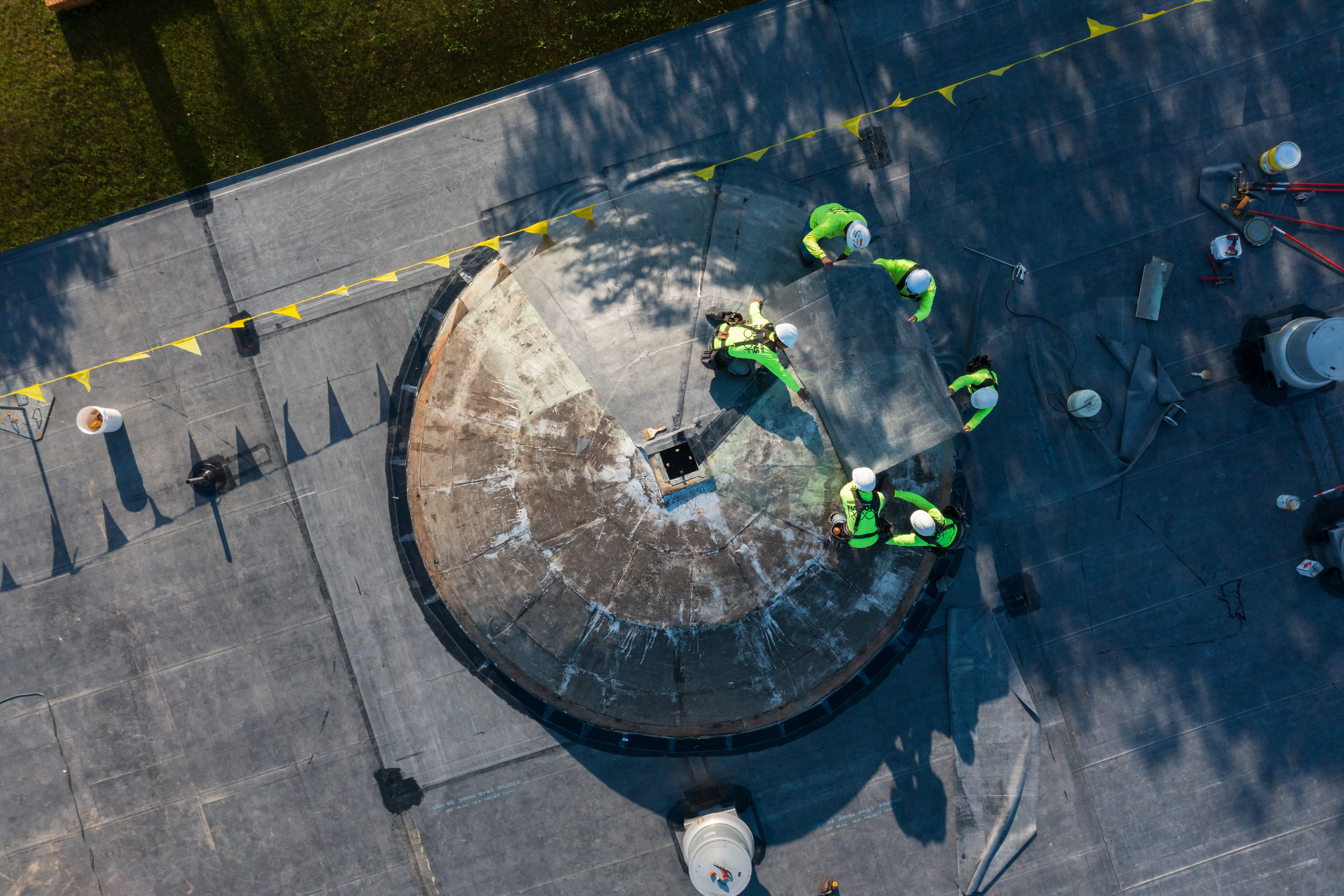
Roof Restoration vs. Roof Replacement: What’s Right for Your Facility?