TPO vs EPDM Roofing: Differences, Lifespan & Best Uses
By Nations Roof on Feb 9, 2026, 3:29:32 PM
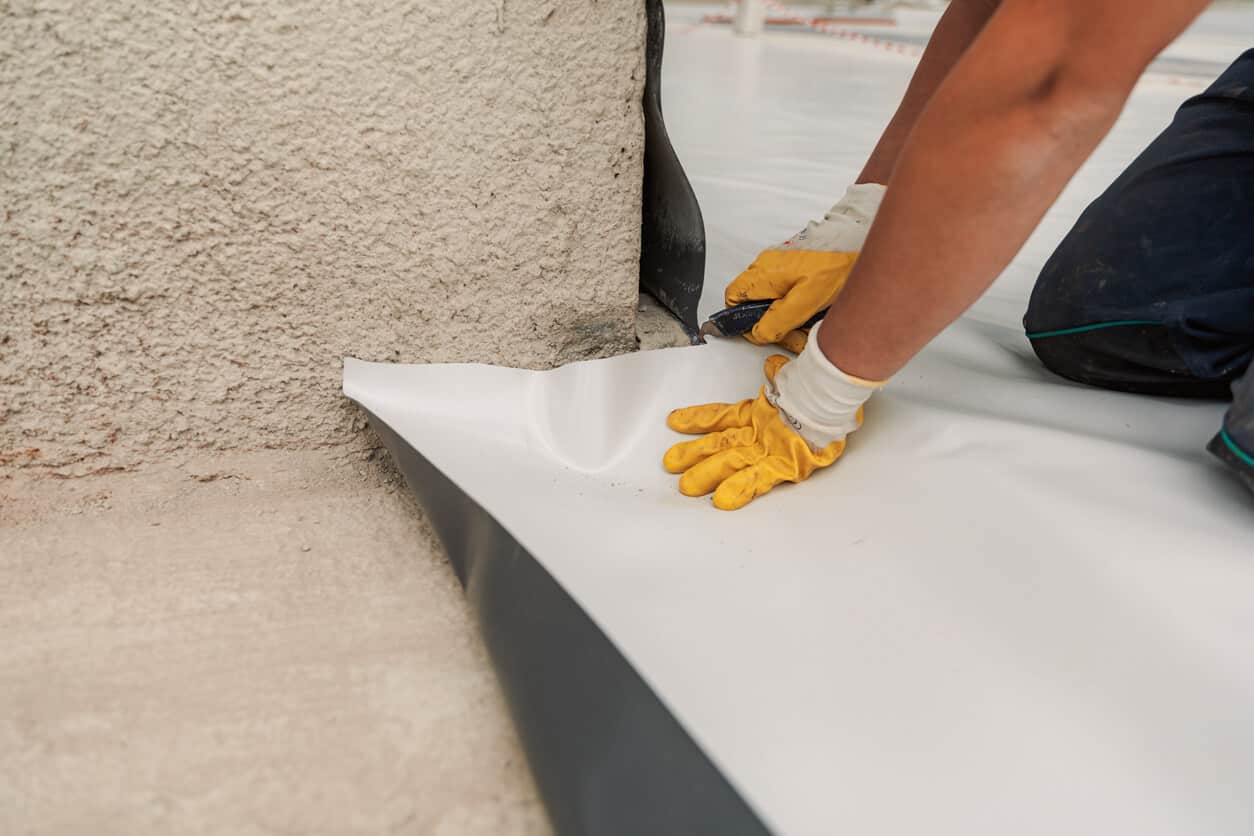
Choosing the right roofing system impacts your building’s energy efficiency, durability, and long-term costs. Two of the most popular single-ply membranes for low-slope commercial roofs are TPO (Thermoplastic Polyolefin) and EPDM (Ethylene Propylene Diene Monomer).
At Nations Roof®, our certified crews install and service both systems — ensuring warranty compliance and long-term performance. Here’s how they compare.
What Is TPO Roofing?
TPO is a single-ply membrane made from a heat-weldable blend of polypropylene and ethylene-propylene rubber.
How it’s built:
-
Reinforced with polyester mats
-
Installed mechanically attached or fully adhered
-
Heat-welded seams create strong, watertight bonds
-
Available in white, gray, and tan; thicknesses of 45, 60, or 80 mil
Key benefits of TPO roofing:
-
Reflects up to 87% of UV rays → lowers cooling costs in hot climates
-
May contribute toward LEED credits; most are Energy Star–rated
-
Flexible in colder climates, reducing cracking risk
-
Resistant to chemicals, mold, tears, and punctures
-
Lifespan: 20–30 years with proper maintenance
What Is EPDM Roofing?
EPDM is a synthetic rubber membrane first introduced in the 1960s. It expands and contracts with temperature changes, making it highly versatile.
How it’s built:
-
Made from ethylene, propylene, and carbon black (derived from oil and natural gas)
-
Available in black or white sheets up to 50′ x 200′
-
Thicknesses of 45, 60, or 90 mil
-
Installed fully adhered, mechanically attached, or ballasted
-
Seams sealed with tape or liquid adhesives
Key benefits of EPDM roofing:
-
Extremely durable and weather-resistant, even in harsh climates
-
Naturally UV-resistant → extends membrane life
-
Black EPDM can reduce heating costs in cold climates
-
Compatible with silicone and acrylic coatings to extend lifespan and improve energy efficiency
-
Lifespan: 30+ years with proper maintenance
TPO vs EPDM: Side-by-Side Comparison
TPO and EPDM are two of the most popular single-ply membranes. Here’s how they compare in lifespan, energy efficiency, and maintenance requirements to help you decide which fits your project.
Key Takeaways
-
Both TPO and EPDM are trusted single-ply commercial roofing systems.
-
TPO is best for properties prioritizing UV reflection and cooling savings.
-
EPDM is best for facilities needing long lifespan, flexibility, and cold-weather performance.
-
The right choice depends on climate, building use, and long-term ROI goals. heavily.
How to Decide for Your Building
Selecting the right system depends on more than price:
-
Current roof condition: Can it be reroofed or must it be replaced?
-
Building use: Chemical exposure, HVAC loads, or foot traffic may drive the choice.
-
Location & climate: Energy efficiency needs differ by region.
-
Future plans: If long-term durability is critical, warranty terms may weigh heavily.
That’s where Nations Roof makes the difference:
Certified
Certified crews across all major manufacturers → Warranty-compliant workmanship
Self-Performing
1,100+ self-performing professionals nationwide → Consistent quality without subcontractor risk
Service Availability
24/7/365 National Service Center → Immediate dispatch for emergencies
Safety Culture
Proven safety culture with a 0.48 EMR and ISNetworld “A” rating
Download Your Comparison Guide
This in-depth resource includes a printable side-by-side matrix, cost considerations, and maintenance insights to help you make the right decision for your portfolio.
Schedule a Consultation
Every building is unique. That’s why Nations Roof partners with property owners, facility managers, and procurement teams to recommend and install the right system for your needs.
You might also like this video:
TPO vs EPDM vs Modified Bitumen Explained in Under 3 Minutes
You May Also Like
These Related Stories
TPO vs PVC Roofing: Differences, Benefits & Selection Guide

Built-Up Roof vs. TPO: Pros, Cons & Key Differences