Why Roof Warranties Depend on Inspections and What Property Teams Need to Know
By Nations Roof on Feb 6, 2026, 2:47:28 PM
A commercial roof warranty is meant to protect your building, your budget, and your long-term investment. But many property owners and facility teams are surprised to learn that warranties don’t protect your roof automatically. Without proper inspections and documentation, coverage can be reduced or voided altogether.
Understanding how roof inspections support warranty compliance is one of the simplest ways to avoid unnecessary risk, unexpected costs, and preventable failures.
What to Know About Roof Warranties
Roof warranties can feel confusing, but they don’t have to be. Below are the key parts you’ll find in most warranty documents, so you know what to look for and how to protect your coverage.
This is the length of time the manufacturer agrees to cover your roof. Most commercial warranties last 10, 15, 20, or 30 years depending on the system and materials.
- Prorated vs. Full Coverage (NDL): Some warranties are prorated, which means the dollar value of coverage decreases over time. Others are “No Dollar Limit (NDL),” meaning the manufacturer covers the full cost of repair or replacement during the entire term, as long as conditions are met.
- System-specific coverage: Different roof systems may have different coverage lengths. For example, a TPO system may be covered for 20 years, while metal could carry 30+ years.
Why it matters: A 30-year warranty sounds impressive, but if it’s prorated, your coverage may shrink just when you need it most. Always confirm the type of coverage, not just the number of years.
Not all warranties protect the same things.
- Materials Only: The most basic warranties only cover defects in the roofing membrane or certain components.
- Labor + Materials: Stronger warranties cover both the cost of materials and the labor to fix them — since labor often costs more than the materials themselves.
- NDL (No Dollar Limit): The gold standard. The manufacturer pays for all covered repairs or replacement costs, regardless of the amount, for the full length of the warranty.
Why it matters: Knowing if labor is included is key. If only materials are covered, you could still face a big bill for installation or repair work.
Exclusions are the fine print, and this is where most claims fail.
- Common exclusions: Damage from storms, fire, vandalism, poor drainage, ponding water, or building movement is usually not covered.
- Unauthorized repairs: Any work performed by non-certified contractors (or even your own maintenance staff) can void the warranty.
- Neglected maintenance: If the manufacturer determines you didn’t perform required inspections or upkeep, they can deny coverage.
Why it matters: Even small, well-intended patches by in-house staff can invalidate your warranty. Always call a certified contractor for service.
A warranty isn’t automatic protection, it comes with obligations.
- Inspections: Most manufacturers require inspections once or twice per year, and after major weather events.
- Documentation: You need to keep records of inspections, maintenance, and any repairs. This documentation may be required to file a claim.
- Preventive maintenance: Clearing drains, removing debris, and addressing minor issues are usually required to keep the warranty valid.
Why it matters: A warranty claim may be denied if you cannot show inspection or maintenance records. Nations Roof provides photo logs and condition reports to simplify this requirement.
Some warranties add value when selling a property by allowing transfer to a new owner.
- Transferable warranties: These can increase resale value and reassure buyers that the roof is still protected.
- Non-transferable warranties: Coverage ends when the property changes hands.
- Conditions for transfer: Even transferable warranties may require a fee, an inspection, or notice within a set time after the sale.
Why it matters: If resale or investment value is a priority, check the transfer rules carefully. A transferable warranty can make your property more attractive to buyers.
The Role of Inspections in Roof Warranty Protection
Most commercial roof warranties require regular inspections performed by qualified professionals. These inspections confirm that the roof system is being maintained according to manufacturer requirements and that small issues are addressed before they become major problems.
Skipping inspections, or relying on unqualified repairs, can lead to denied claims when you need coverage most.
A compliant inspection program helps ensure:
- Warranty terms remain valid
- Minor issues are identified early
- Repairs meet manufacturer specifications
- Roof performance is documented over time
What Happens If Inspections Are Missed?
When inspections are overlooked, even a well-installed roof can become a liability. Common consequences include:
- Warranty claims denied due to lack of documentation
- Small leaks escalating into structural or interior damage
- Shortened roof lifespan and higher lifecycle costs
- Emergency repairs that disrupt operations and budgets
In many cases, the issue isn’t poor installation, it’s missing proof of proper care.
What a Proper Commercial Roof Inspection Includes
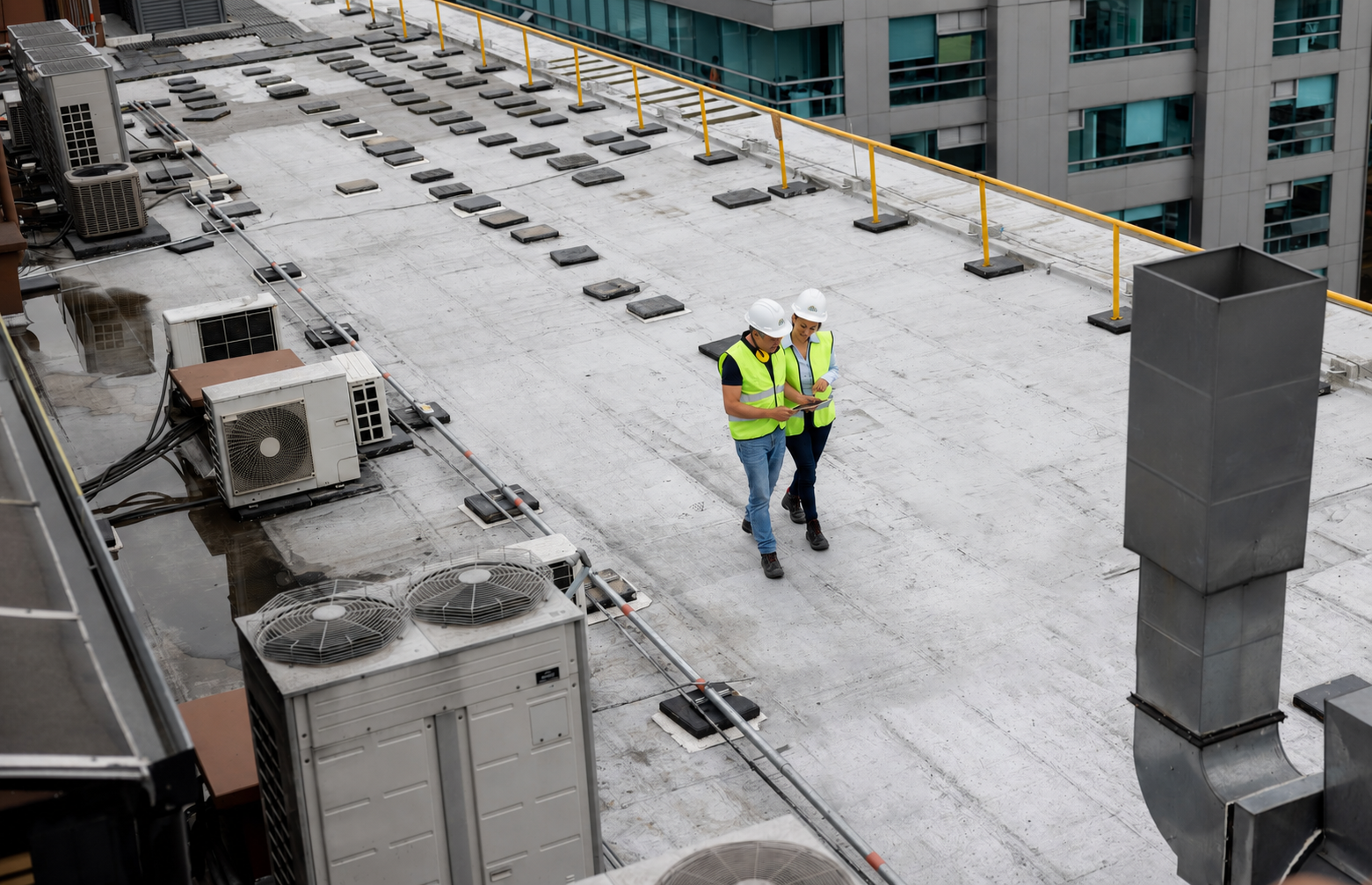
A professional inspection goes far beyond a quick visual check. It evaluates the full roofing system and records conditions that affect long-term performance.
Typical inspection elements include:
- Membrane condition and seam integrity
- Flashings, penetrations, and edge details
- Drainage systems and ponding water
- Signs of wear, impact damage, or unauthorized repairs
- Photo documentation and condition reporting
These details are critical not just for maintenance planning—but for protecting warranty eligibility.
Why Warranty-Compliant Repairs Matter
Not all repairs are equal in the eyes of manufacturers. Work performed by unapproved contractors or in-house teams can unintentionally void warranty coverage.
Warranty-compliant repairs require:
- Manufacturer-certified crews
- Approved materials and methods
- Documentation that meets warranty standards
This is especially important for facilities managing multiple locations, where inconsistent service can lead to uneven risk across the portfolio.
How a Proactive Inspection Strategy Reduces Risk
Routine inspections shift roofing from a reactive expense to a planned asset strategy. Instead of waiting for leaks or emergencies, property teams gain visibility into roof conditions and can prioritize repairs before failures occur.
A proactive inspection approach helps:
- Extend roof life
- Reduce emergency calls
- Maintain warranty protection
- Improve budgeting and capital planning
- Minimize disruption to occupants and operations
Partnering With the Right Roofing Provider
Working with a partner that understands both roof systems and warranty requirements makes compliance far easier to manage.
Nations Roof supports commercial property teams with:
- Manufacturer-certified, warranty-compliant inspections
- Documented reports with photos and service history
- Local crews backed by national resources
- Ongoing maintenance programs designed to protect coverage
- 24/7/365 coordination for urgent service needs
Whether you oversee one facility or a nationwide portfolio, inspections become more effective when they’re part of a consistent, documented process.
Don’t Let a Warranty Fail When You Need It Most
A roof warranty only works if it’s protected. Regular inspections are one of the most cost-effective ways to safeguard your building, avoid denied claims, and keep roofing issues from turning into emergencies.
If you’re unsure whether your roof is currently compliant—or want to establish a stronger inspection and documentation plan—now is the right time to take action.
Protect your roof. Protect your warranty. Protect your operations.
You May Also Like
These Related Stories
TPO vs PVC Roofing: Differences, Benefits & Selection Guide
Roof Restoration vs. Reroofing vs. Replacement